Build profitability one decision at a time
The economic value of precision nutrient management can come from several sources.
Fertilizer savings are often the most immediate and easiest to quantify, but they are
only the beginning.
For an illustrative 1,000-acre corn operation, N-Sense estimates that reducing sidedress
nitrogen fertilizer by 30–50% could produce annual fertilizer savings of
approximately:
$20,000–$34,000 per year
The example assumes 100 lb N/acre applied preplant, a conventional uniform
sidedress application of 100 lb N/acre, and a 220-bu/acre corn yield.
But better nutrient management can create additional value.
Stack the benefits
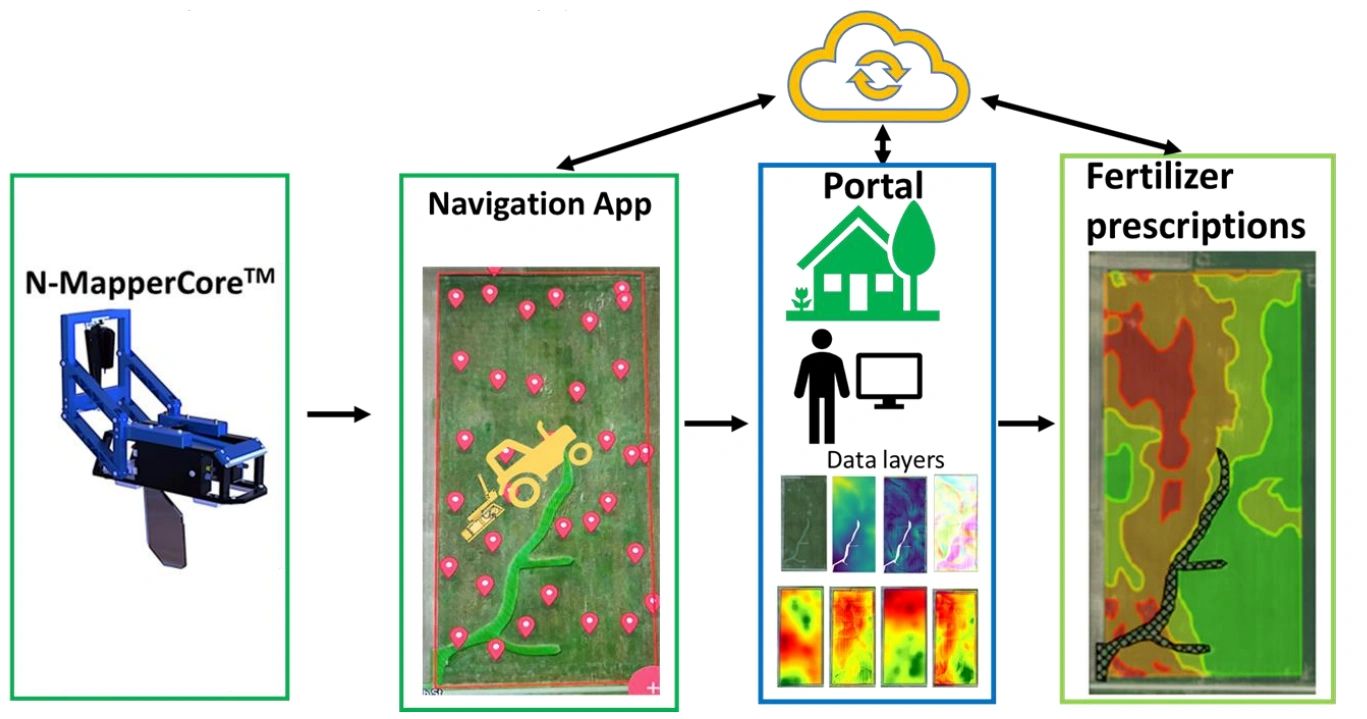
N-Sense is designed as an integrated precision-management ecosystem. Potential economic
benefits identified for the full system include:
-
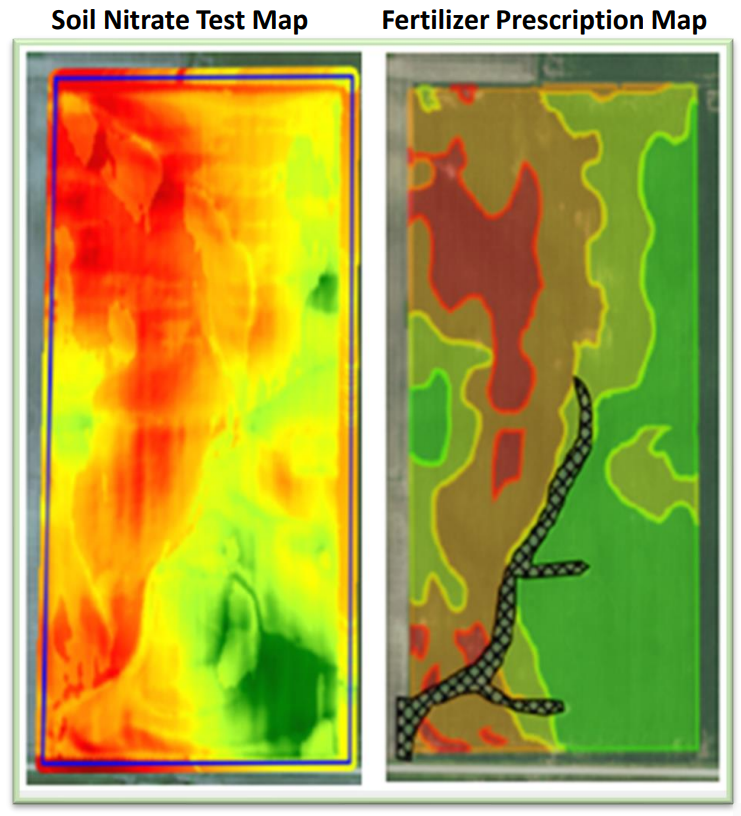
Reduced nitrogen fertilizer - apply sidedress N where it is
needed rather than uniformly across the field.
-
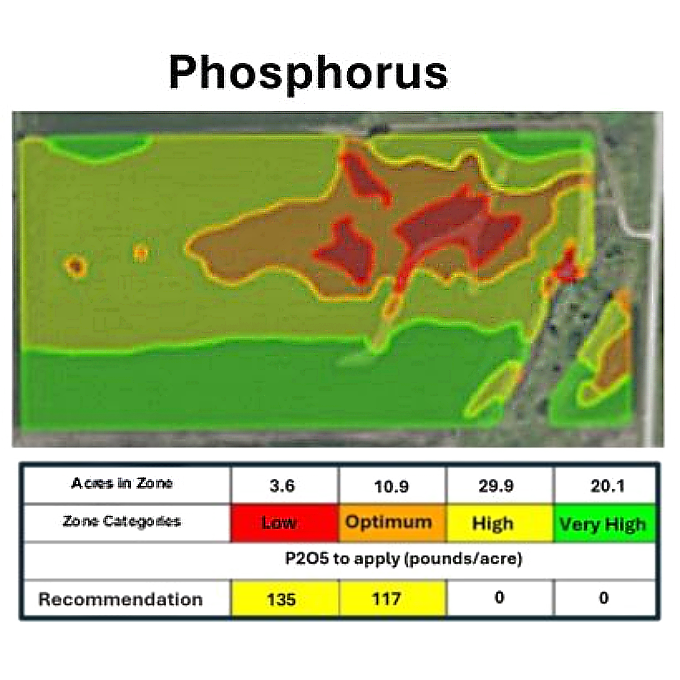
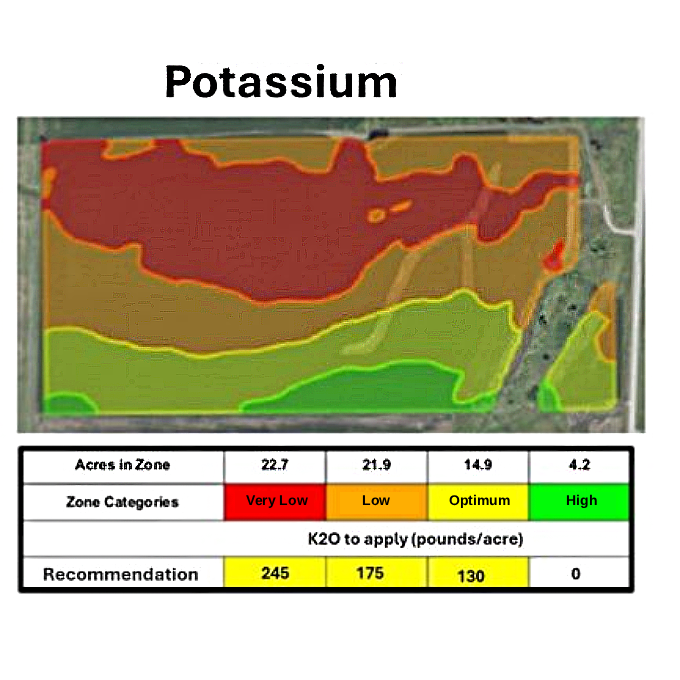
Reduced phosphorus and potassium fertilizer - higher-resolution
soil information supports more targeted nutrient applications and reduces applications
where soil fertility is already adequate.
-
More targeted crop protection - spatial crop information
supports spot treatment rather than blanket applications of herbicides, insecticides
and fungicides.
-
Protect or increase crop yield - identify nutrient deficiencies
and field variability early enough to make better management decisions.
-
Lower carbon intensity - more efficient nitrogen use can reduce
the carbon intensity of crop production and may increase the value of grain sold into
low-carbon markets.
-
Access conservation incentives - precision nutrient management
practices may help producers qualify for applicable USDA conservation programs.
The Bottom Line
When these opportunities are combined, the potential economic impact can be substantially
greater than fertilizer savings alone.
For the illustrative 1,000-acre corn operation used in the N-Sense analysis, the combined
value of fertilizer savings, potential low-carbon grain premiums, conservation incentives,
crop-protection savings and yield improvements was estimated at approximately:
$75,000–$200,000 per year
Actual benefits will vary by field, year, cropping system, input prices, program
eligibility and management practices. The key principle, however, remains the same:
Better information enables better decisions, and better decisions improve margins.